Biology: Organ Systems
Free MCAT study guide — Biological and Biochemical Foundations of Living Systems
Cardiovascular System
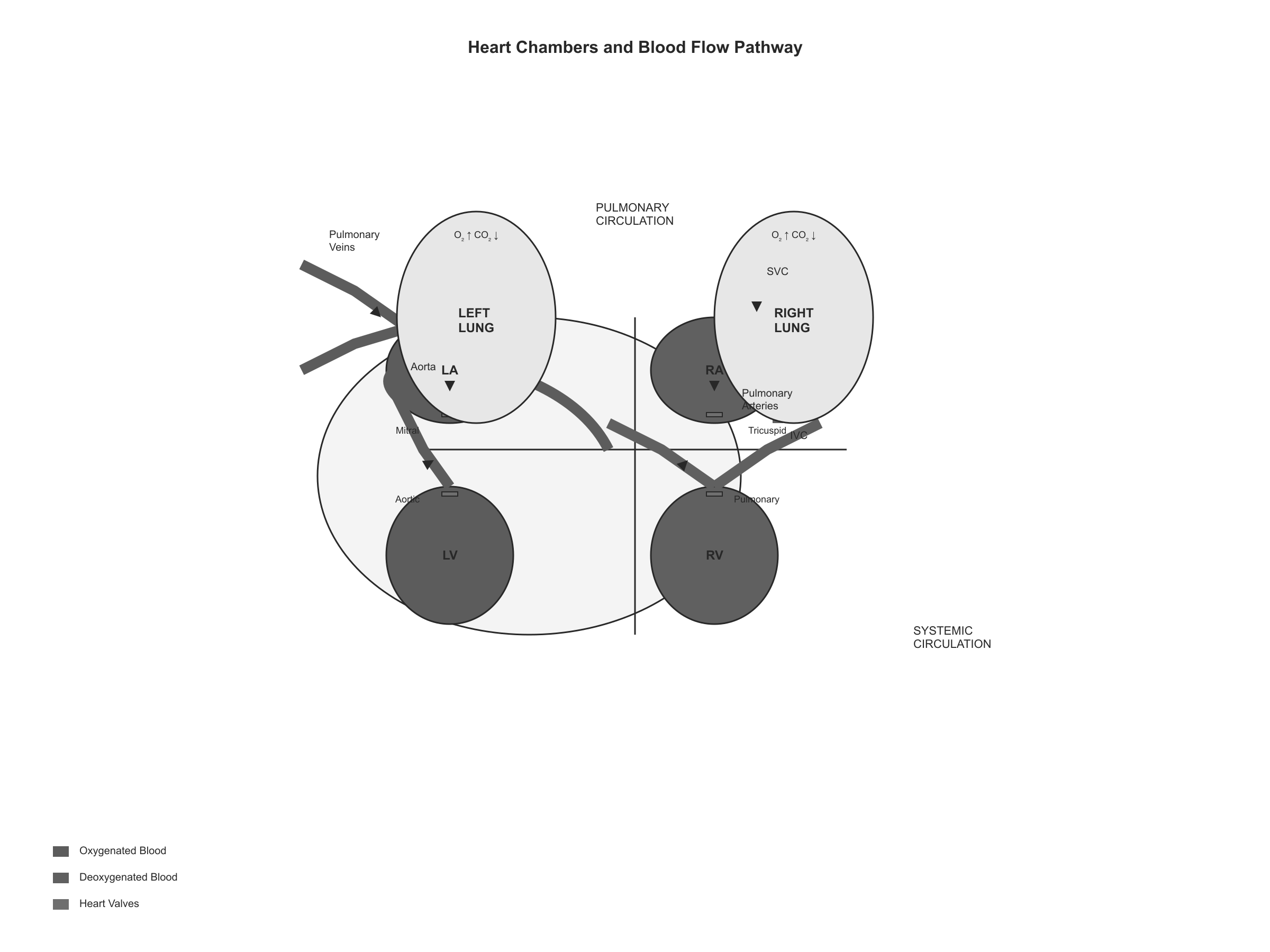
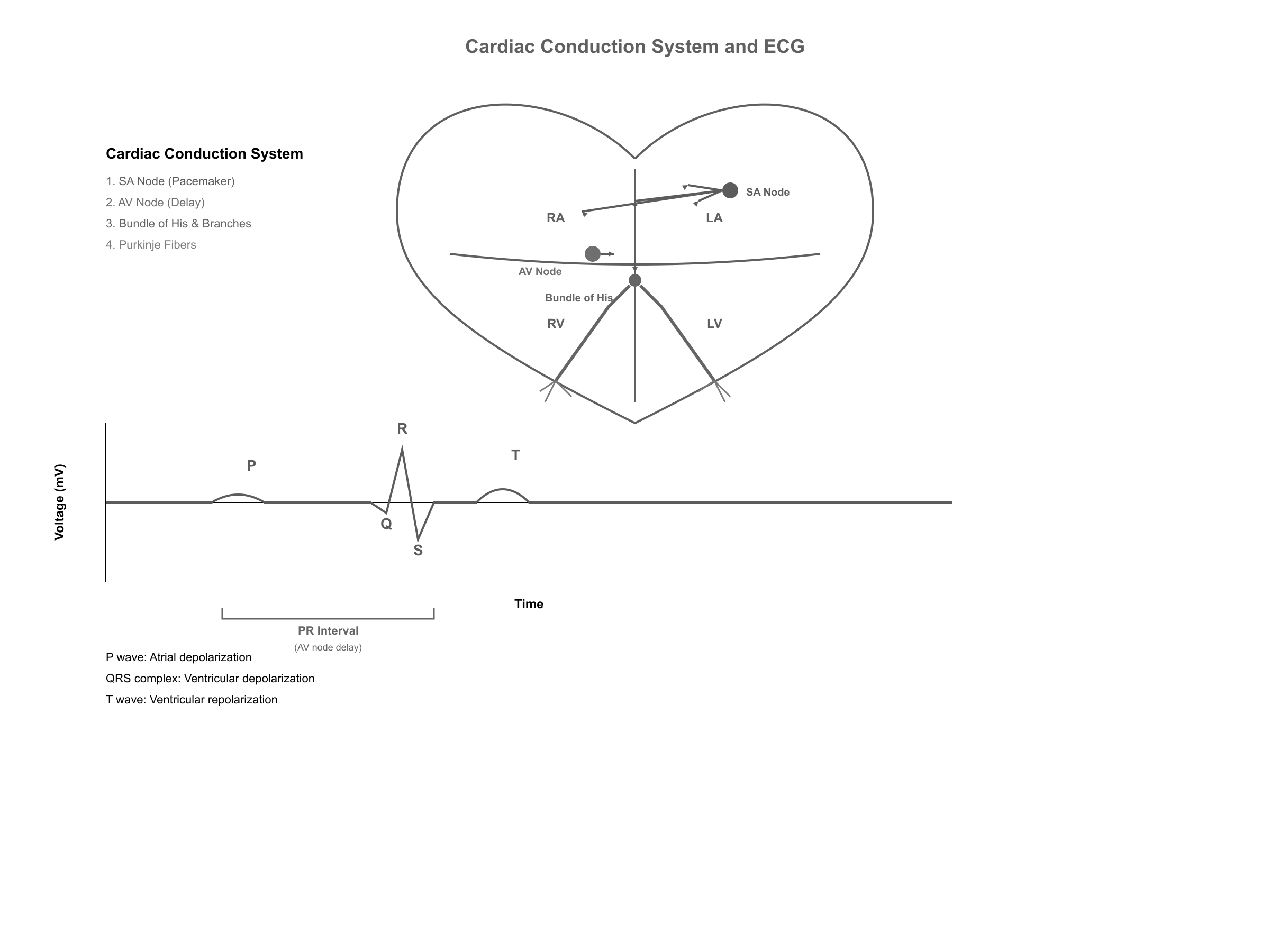
CO = SV × HR | MAP ≈ DBP + ⅓(SBP − DBP)
Respiratory System
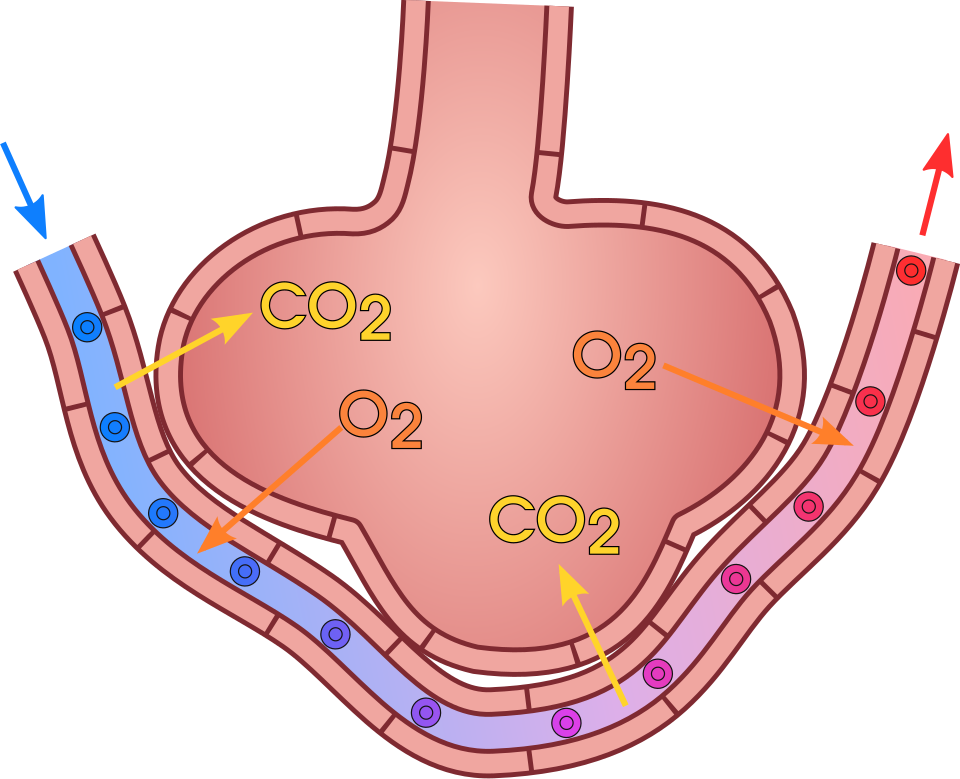
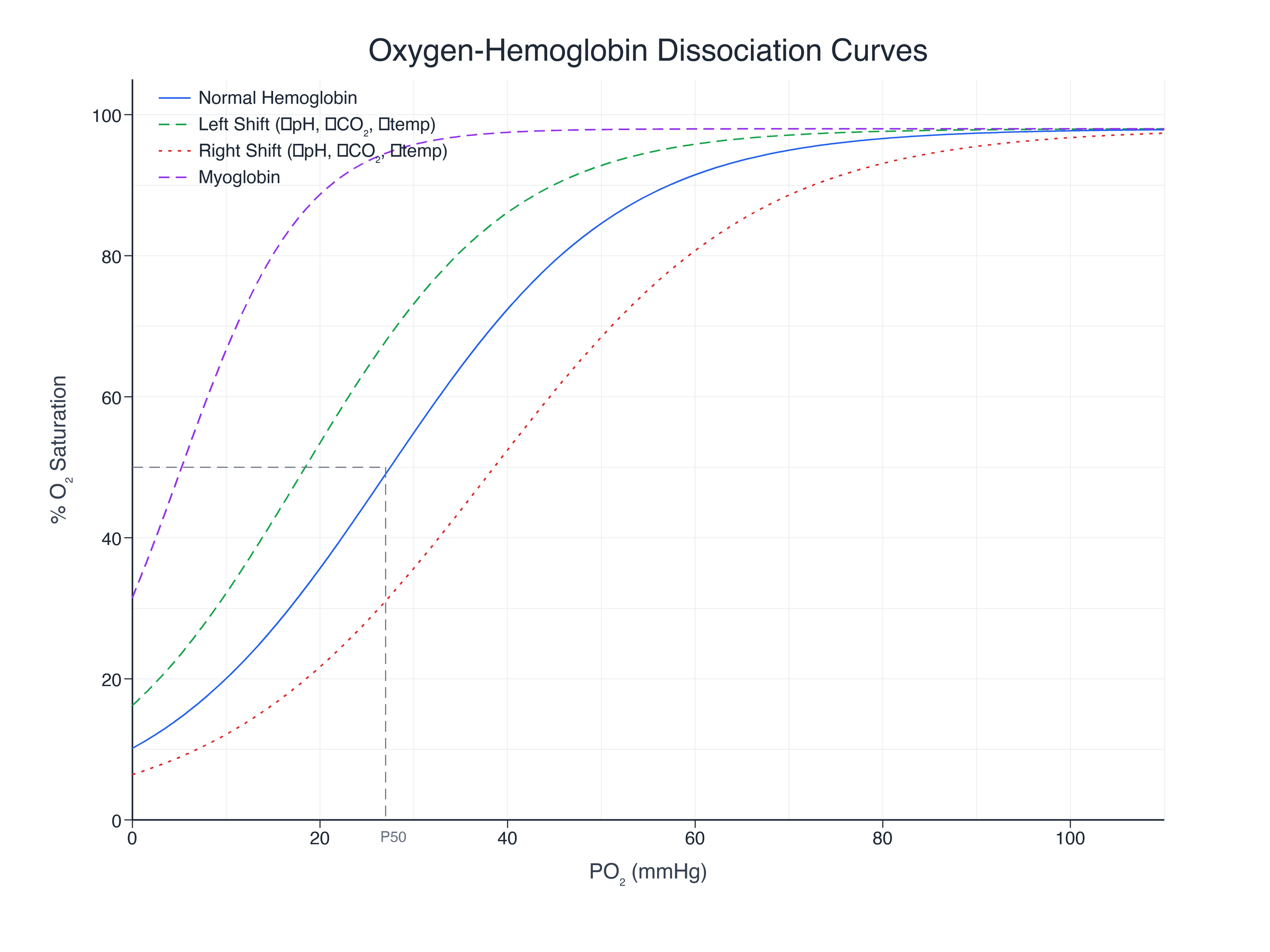
Key Point: Right shift (↓ affinity): ↑CO₂, ↑H⁺, ↑temp, ↑2,3-BPG. Left shift: opposite + fetal Hb, CO.
Renal System
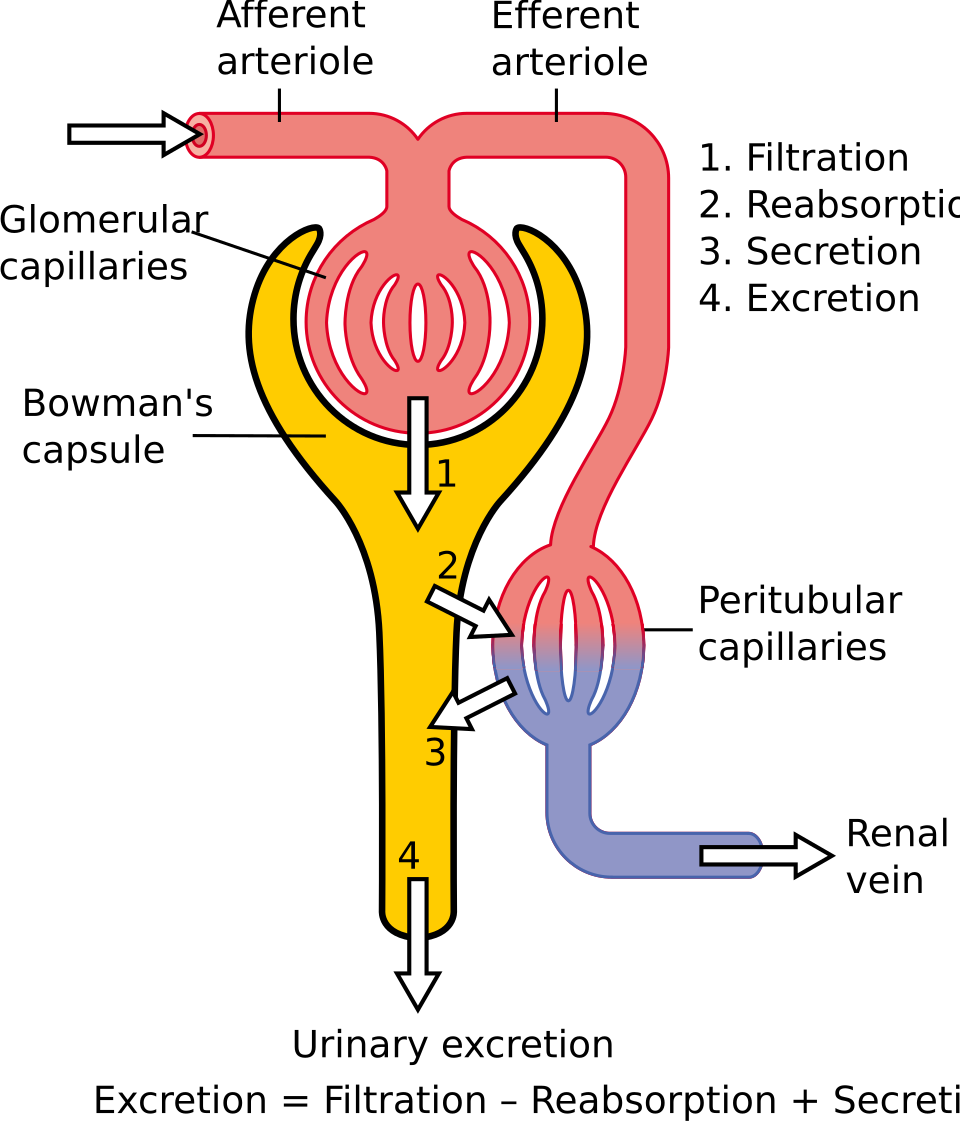
| Segment | Function | Regulation |
|---|---|---|
| Glomerulus | Filtration (size + charge barrier) | GFR = ~125 mL/min |
| PCT | Reabsorbs 65% (glucose, AAs, Na⁺, HCO₃⁻) | Obligatory water reabsorption |
| Descending LoH | Water out (permeable) | Concentrates filtrate |
| Ascending LoH | NaCl out (impermeable to H₂O) | Dilutes filtrate, NKCC2 |
| DCT | Na⁺ reabsorption, Ca²⁺ | Aldosterone, PTH |
| Collecting duct | Water (ADH), K⁺ secretion | ADH → aquaporin-2 |
Immune System
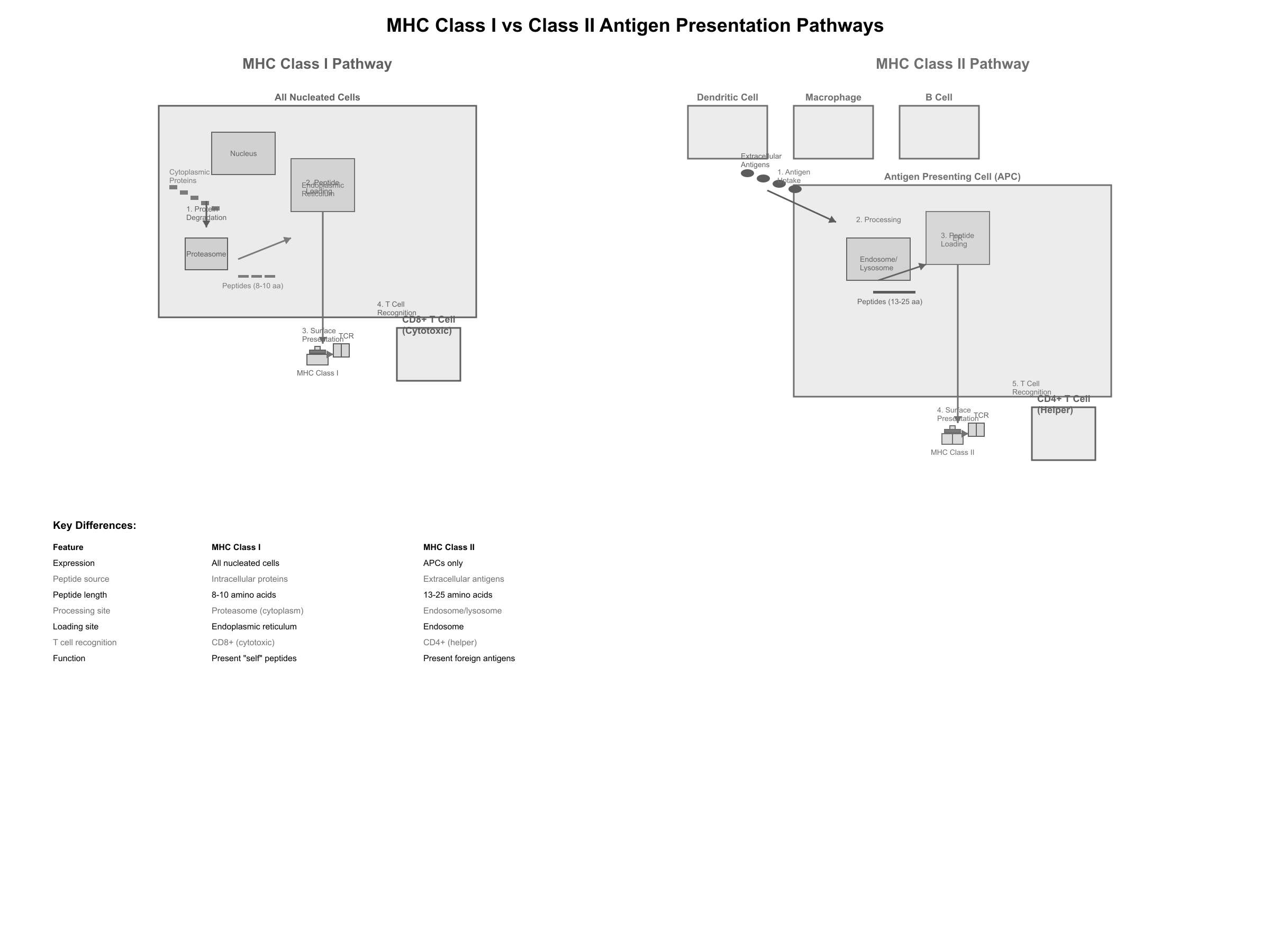
Key Point: MHC I: all nucleated cells → CD8⁺ (cytotoxic). MHC II: APCs only → CD4⁺ (helper). Rule of 8.
Endocrine System
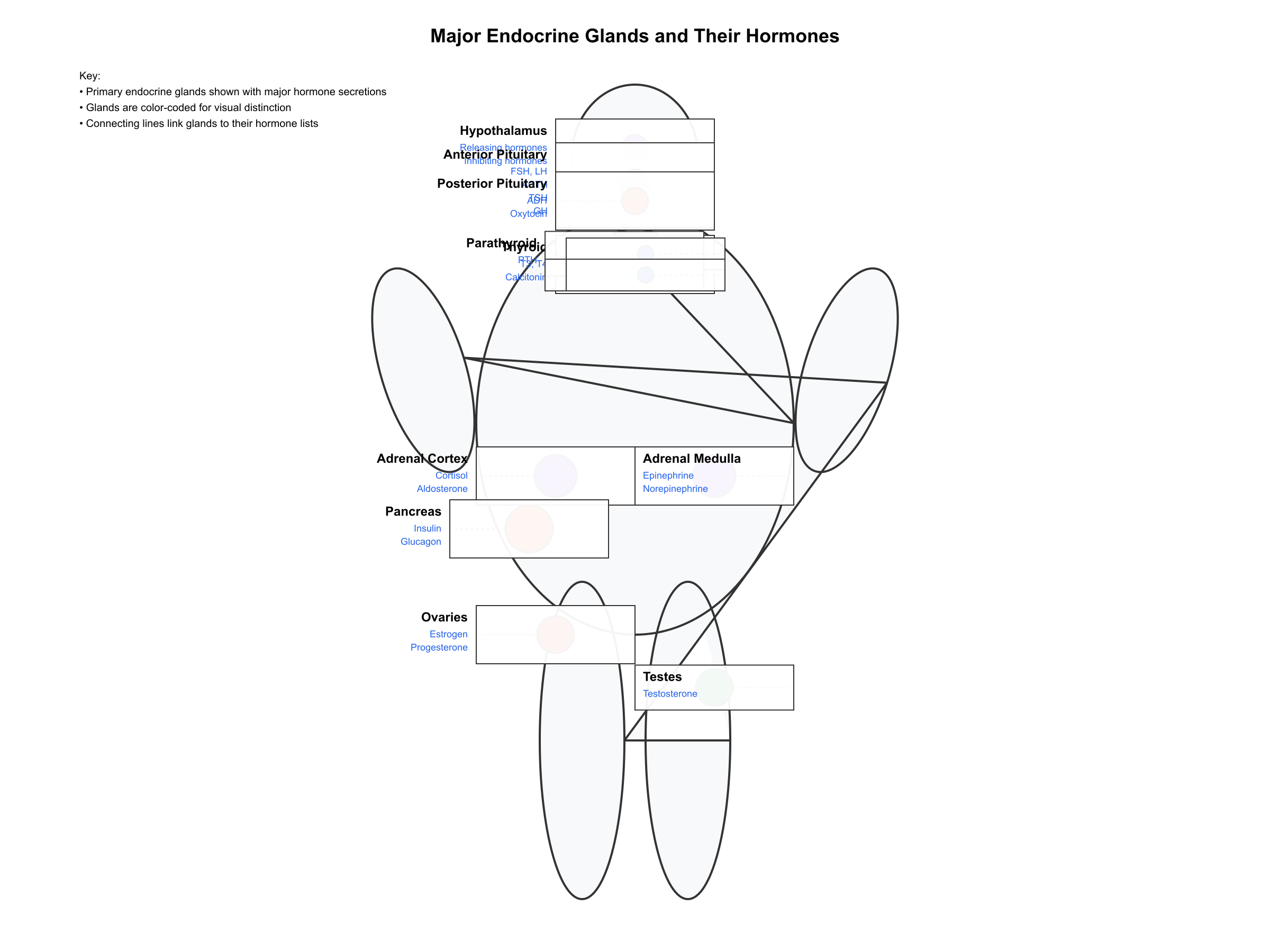
Key Point: Anterior pituitary (FLAT PiG): FSH, LH, ACTH, TSH, Prolactin, GH. Posterior: ADH, Oxytocin.
Nervous System
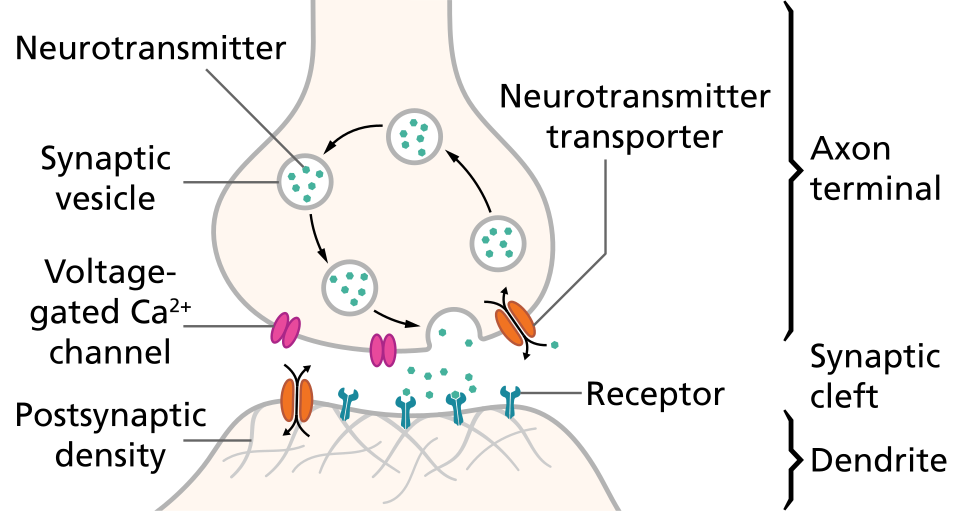
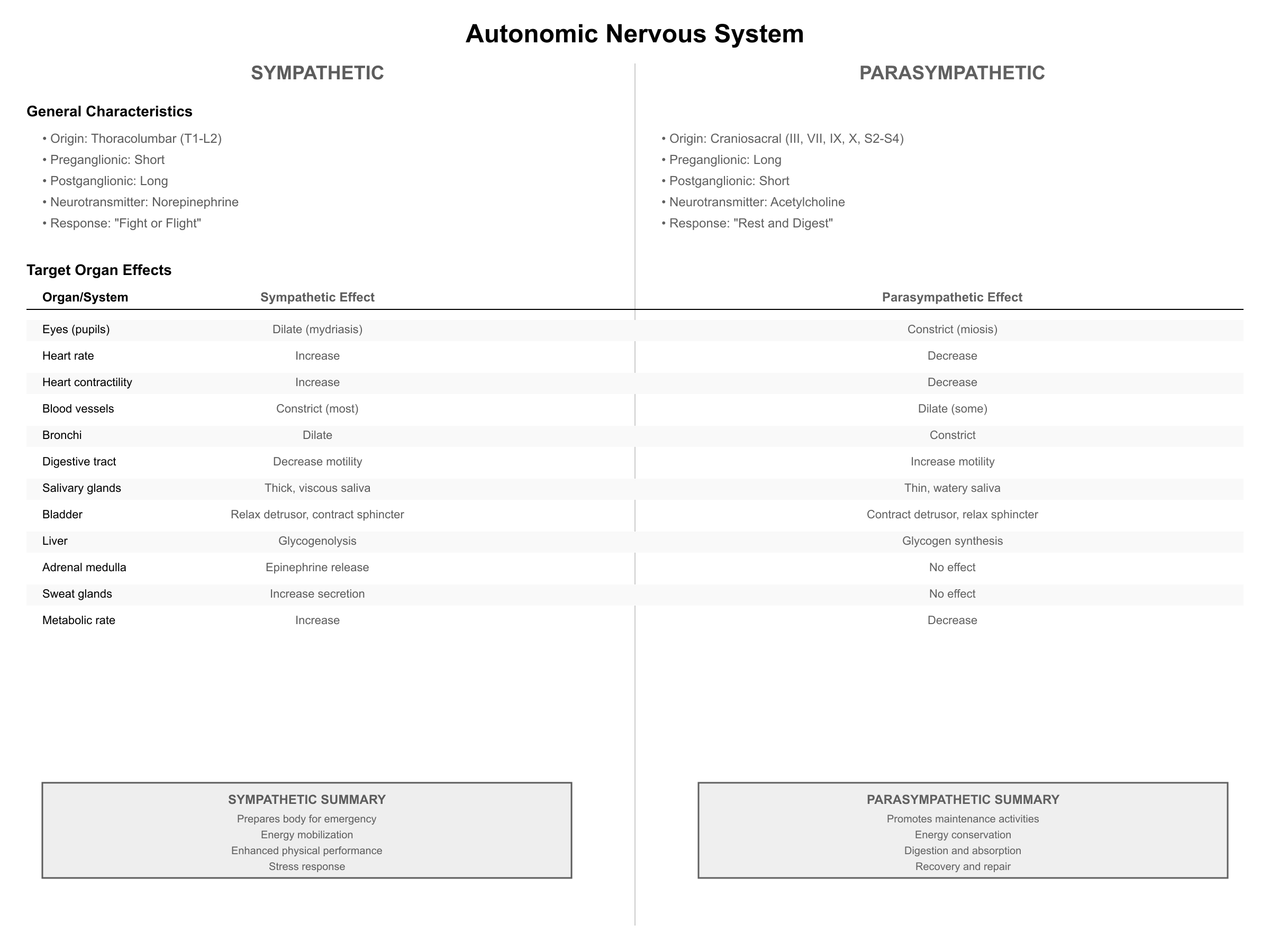
Related Biological and Biochemical Foundations of Living Systems Study Guides
Amino Acids and Protein StructureBiochemistry: Amino Acids & ProteinsBiochemistry: MetabolismBiology: Cell Biology & SignalingBiology: Molecular Biology & GeneticsCardiovascular Physiology: Heart, Blood, and Hemodynamics
Browse all free MCAT study guides or read MCAT strategy on the DoctorMCAT blog.
Practice What You've Learned
Test your understanding with our question bank and practice tests.
Start Practicing Free